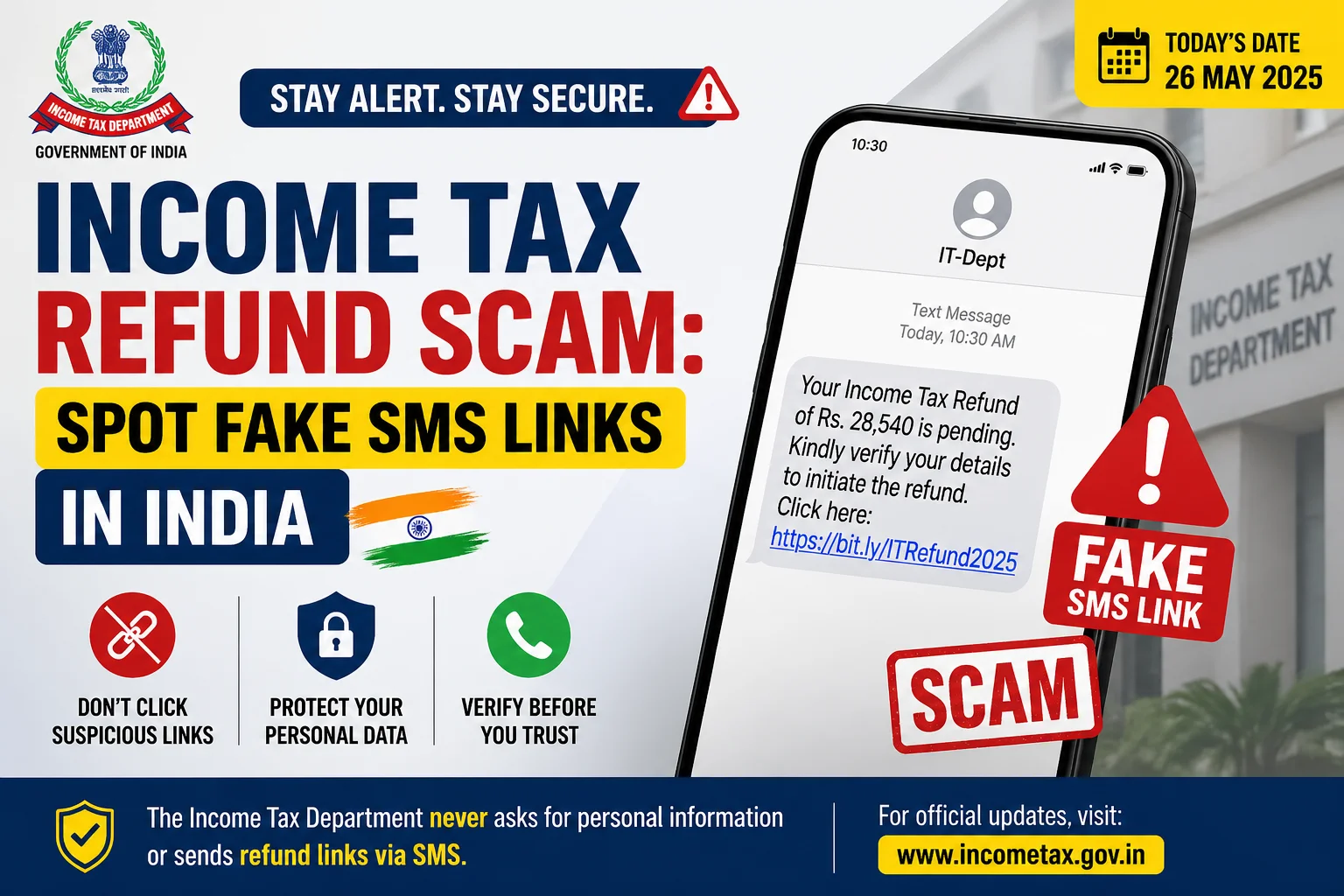
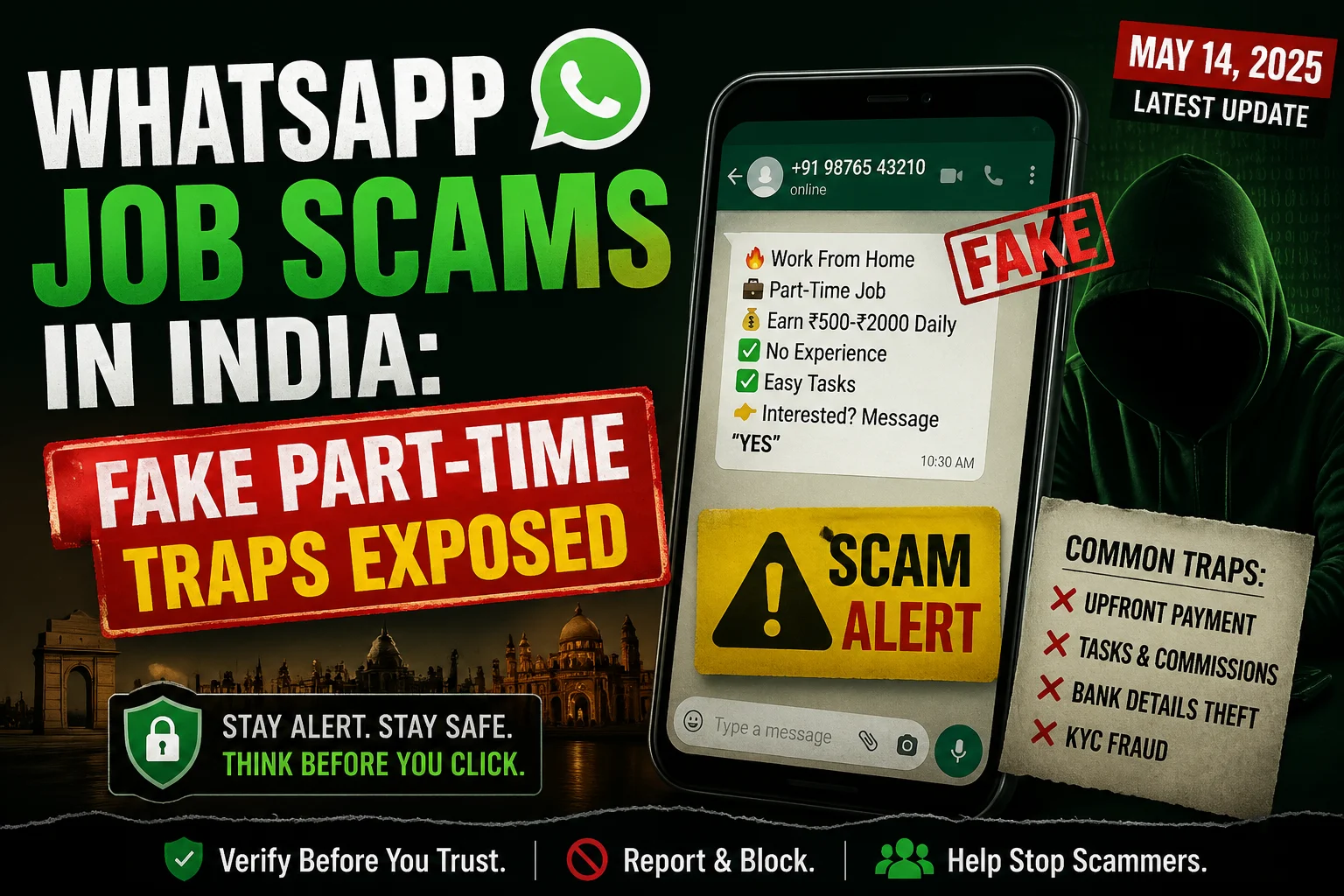
Picture this: A 22-year-old engineering student in Bengaluru gets a WhatsApp ping last week. "Earn ₹500/hour from home—data entry job, no experience needed." She pays a ₹999 "registration fee" via UPI. Poof. The number blocks her.
That's not fiction. In the first half of 2024 alone, India's Cyber Crime Coordination Centre (I4C) logged over 80,000 job-related fraud complaints, most starting on WhatsApp. And it's only ramping up.
How These Part-Time Traps Work
Scammers cast a wide net. They scrape LinkedIn profiles, Facebook job groups, or even Instagram reels of college kids posting about side hustles. Then, bam—a personalized message hits your WhatsApp: "Hi [Your Name], saw your profile. Flexible part-time role with Amazon/Flipkart. Reply YES."
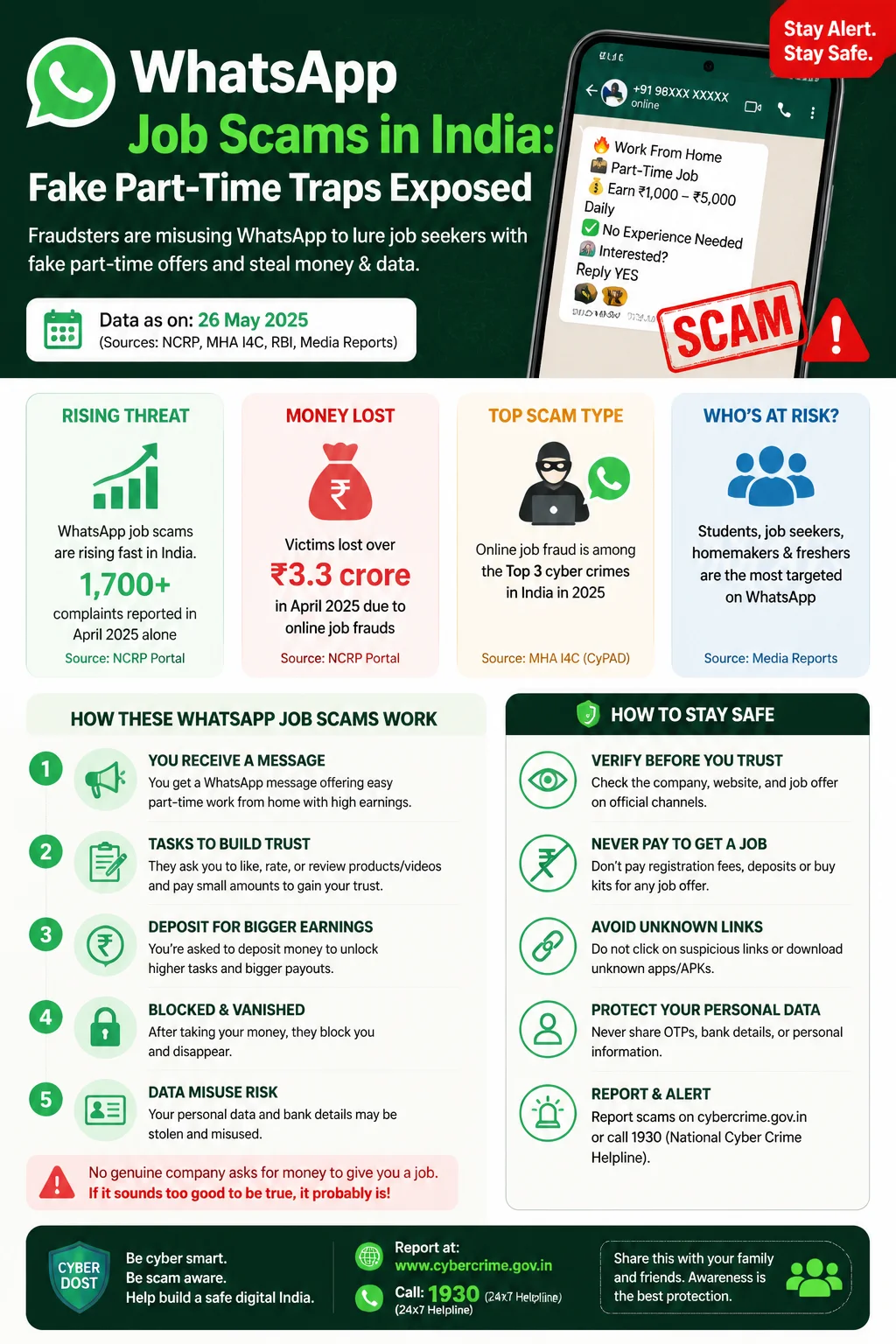
But here's the hook. They promise easy money—₹20,000 to ₹50,000 monthly for "reselling products," "app testing," or "survey filling." You click a link to a fake website mimicking legit ones like WorkIndia or Naukri. It asks for your Aadhaar or PAN for "verification." Don't.
Next step? Fees. A small ₹200 "activation charge" via Google Pay to an unknown number. Then more: ₹2,000 for "training materials." I've seen chats where victims send ₹10,000+ before realizing it's a con. Game over.
Real Stories from the Frontlines
Take Ravi Kumar, a 28-year-old from Delhi. In June 2024, he joined a WhatsApp group called "Earn ₹1 Lakh/Month Part-Time." The admin—claiming to be from "Global Resellers Inc."—pushed him to buy "product samples" worth ₹15,000 via PhonePe. When no sales came, the group went silent. Ravi reported it to cybercrime.gov.in; police traced the money to Kolkata accounts, but recovery? Zilch so far.
Or Priya Patel in Ahmedabad. She lost ₹8,500 in April 2024 to a "WhatsApp marketing" scam. The fraudster sent fake earnings screenshots—₹3,200 "paid" to her account first (via a temporary wallet trick). Greed kicked in. Now she's out the cash, fighting a bank chargeback.
These aren't outliers. Delhi Police busted a Noida gang in July 2024 running 50+ WhatsApp groups, scamming ₹2 crore from 5,000 victims. The kingpin? A 24-year-old dropout using Chinese betting apps to launder funds.
Why WhatsApp? Why India Right Now?
WhatsApp's end-to-end encryption hides scammers perfectly—no easy tracing. With 500 million+ users in India, it's prime hunting ground. Post-COVID, jobless youth exploded; unemployment hit 8.1% in urban areas per CMIE's July 2024 data. Desperation meets opportunity.
Scam networks thrive in Tier-2 cities like Jaipur and Lucknow. They use virtual numbers from apps like TextNow, routed through Vietnam servers. Rajiv Kumar, Deputy Inspector General at UP Cyber Cell, told Times of India last month: "90% of job scams start on WhatsApp. Victims under 30 make up 70%."
And the money? Flows to mule accounts—innocent bank users paid ₹500 to forward funds. Total cyber fraud losses in 2023: ₹1,750 crore per NCRB. 2024's on track to double it.
Red Flags You Can't Ignore
Too good to be true? It is. No legit company charges upfront for jobs—that's illegal under India's job portal laws.
- Unknown numbers with +91 codes from abroad.
- Pressure to pay via UPI/GPay immediately—"limited slots!"
- Fake testimonials or earnings proofs edited in Canva.
- Links to .tk or .xyz domains, not .com.
You might think, "I'll just verify." But scammers mimic voices on calls using AI voice changers. I've talked to victims who swore it was a "real HR from TCS."
Fight Back: Steps That Actually Work
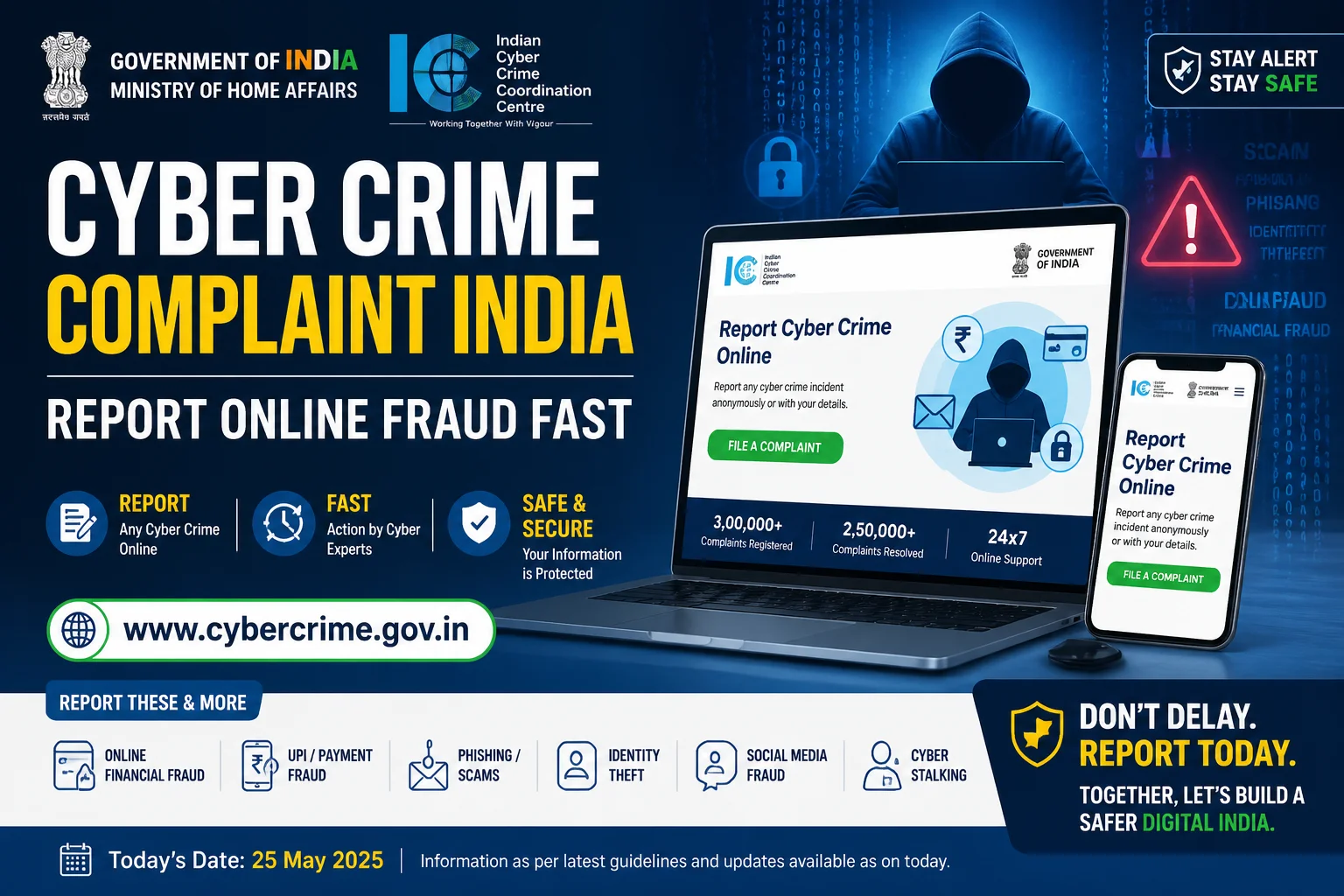
Got hooked? Act fast. Screenshot everything—chats, payments, profiles. Report to 1930 (national cyber helpline) or cybercrime.gov.in within 24 hours. Block the number, enable two-step verification on WhatsApp.
Prevention's better. Share your status only with contacts. Use apps like Truecaller to flag spam. And train your family—my aunt nearly fell for one last year; a quick "Mom, send me the link" saved her ₹3,000.
Banks freeze suspicious UPI txns if you complain pronto. In 2024, Razorpay refunded ₹50 crore to scam victims via Razorpay Secure. Success rate? About 20-30%, per I4C stats. Not great, but better than nothing.
India's waking up. New rules mandate WhatsApp to trace first originators in fraud cases—Meta complied in 80% of 2024 requests. But scammers adapt fast.
Stay sharp out there. That next "easy money" ping? It's probably a thief in disguise. Hit delete—and sleep easy.