Picture this: a retired engineer in Delhi picks up a video call from what looks like a Delhi Police officer. The man on screen flashes an ID, screams about a drug parcel in his name, and demands ₹48 lakhs right then—or else handcuffs via webcam. He pays. All fake.
That's the digital arrest scam ripping through India right now. In the first nine months of 2024 alone, victims lost over ₹1,000 crore, according to the Indian Cybercrime Coordination Centre (I4C). And it's only getting worse.
What's Behind the Digital Arrest Frenzy?
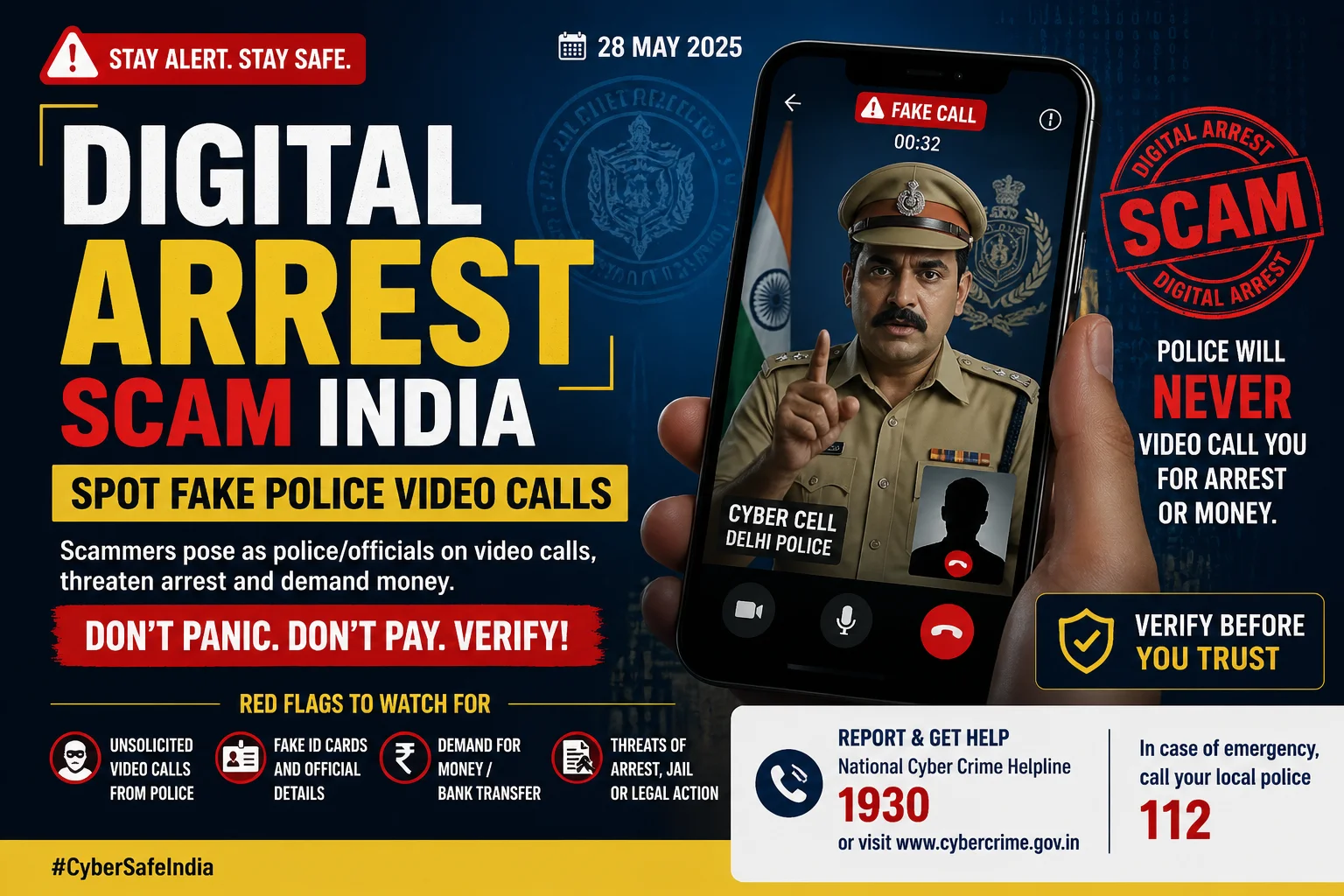
Scammers pose as cops, CBI agents, or even customs officials. They hit you with video calls on WhatsApp, Skype, or Telegram. Claim you've got tangled in a huge crime—money laundering, terror funding, you name it.
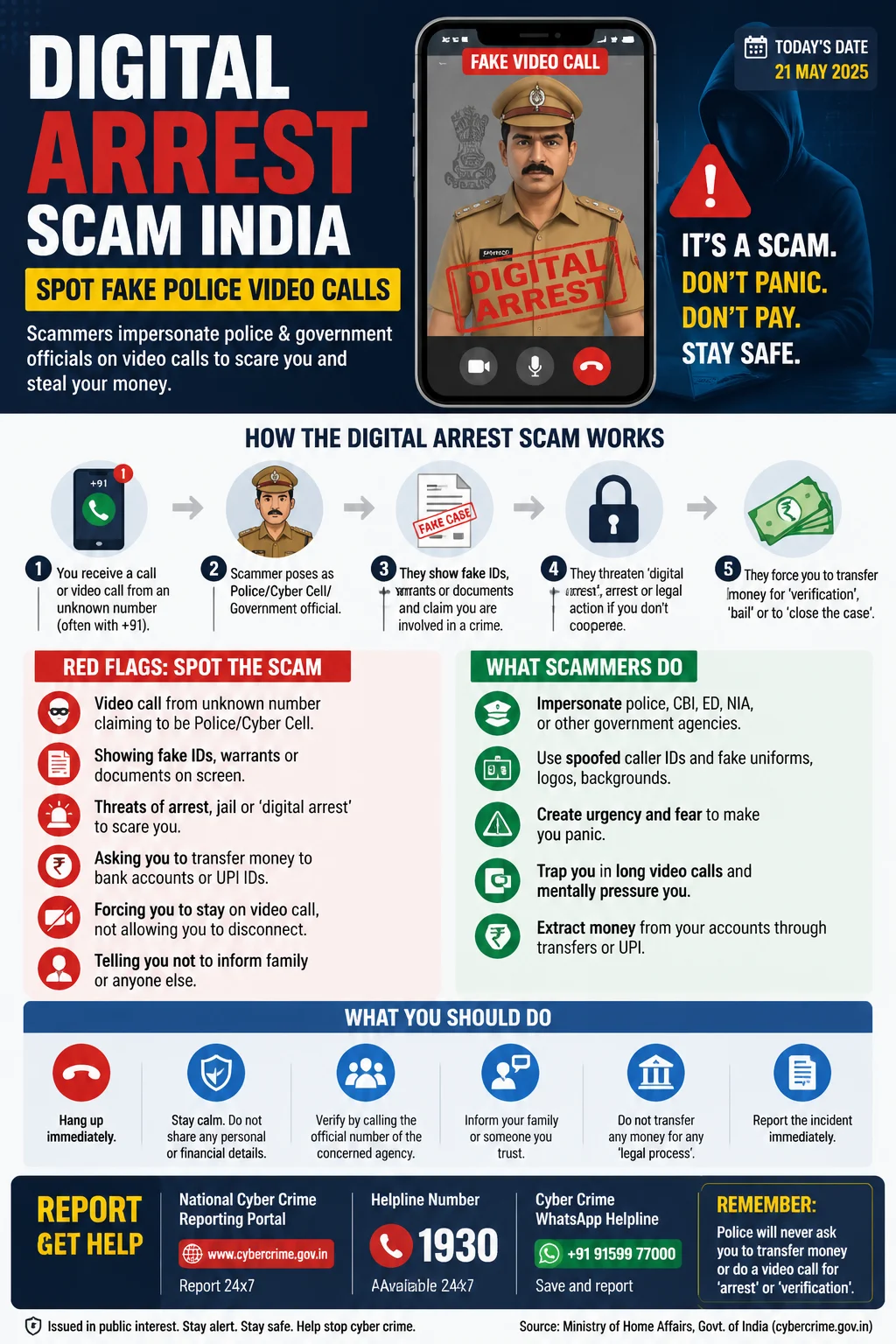
But here's the hook. They keep you glued to the screen for hours, sometimes days. No leaving the room. No talking to family. It's psychological terror, pure and simple.
I've chased these stories across newsrooms for over a decade. Seen families shattered. One common thread? Victims freeze under pressure.
How the Scam Unfolds, Step by Step
It starts innocent. Your phone buzzes—a missed call from an unknown number. Then the video rings in. The "officer" wears a uniform, sits in a mock control room with colleagues nodding along.
They pull up your Aadhaar, PAN, or bank details—stolen from data breaches. Show fake documents. Threaten immediate arrest unless you "cooperate" by transferring money to a "safe account."
And the tech? Deepfake filters make it scarily real. Backgrounds mimic real police stations. Voice modulation adds that authoritative bark. By October 2024, I4C had flagged over 4,000 such gangs operating from Cambodia and Myanmar.
Red Flags You Can't Ignore
First off—real police don't demand money over video. Ever. If they want you, they show up at your door with a warrant.
Look closer. Uniforms often have wrong badges or crests. IDs lack holograms or scan poorly. Backgrounds? Too clean, or looped videos give it away—a clock that doesn't tick, maps with errors.
- Pressure tactics. "Don't hang up or you're aiding criminals." Classic.
- Urgency. "Pay now, or we seize everything."
- No verified numbers. Real cops use official lines; check via Truecaller or 100.
- Bank excuses. They say "verify your account"—then guide UPI transfers to mules.
Spot these? Hang up. Game over for them.
Cases That Hit Too Close to Home
Take Dr. Naresh Sharma, a Delhi physician. July 2024. Scammers locked him in a four-hour video "custody," claiming his clinic laundered drug money. He wired ₹5.2 crore before cops intervened. Police recovered half.
Or the Mumbai pensioner, 68-year-old Mrs. Patel. Lost ₹22 lakhs in September to fake NCB officers. Her son tipped off the 1930 helpline—scammers vanished mid-call.
PM Modi called it out in his October 27 Mann Ki Baat. "Digital arrest? No such thing," he said. Urged reporting to cybercrime.gov.in. Numbers back him: 1930 received 8.5 lakh fraud calls by mid-October 2024.
Caught in the Moment? Here's Your Playbook
Don't panic. Mute the call. Step away. Call 112 or 1930 immediately—mention "digital arrest."
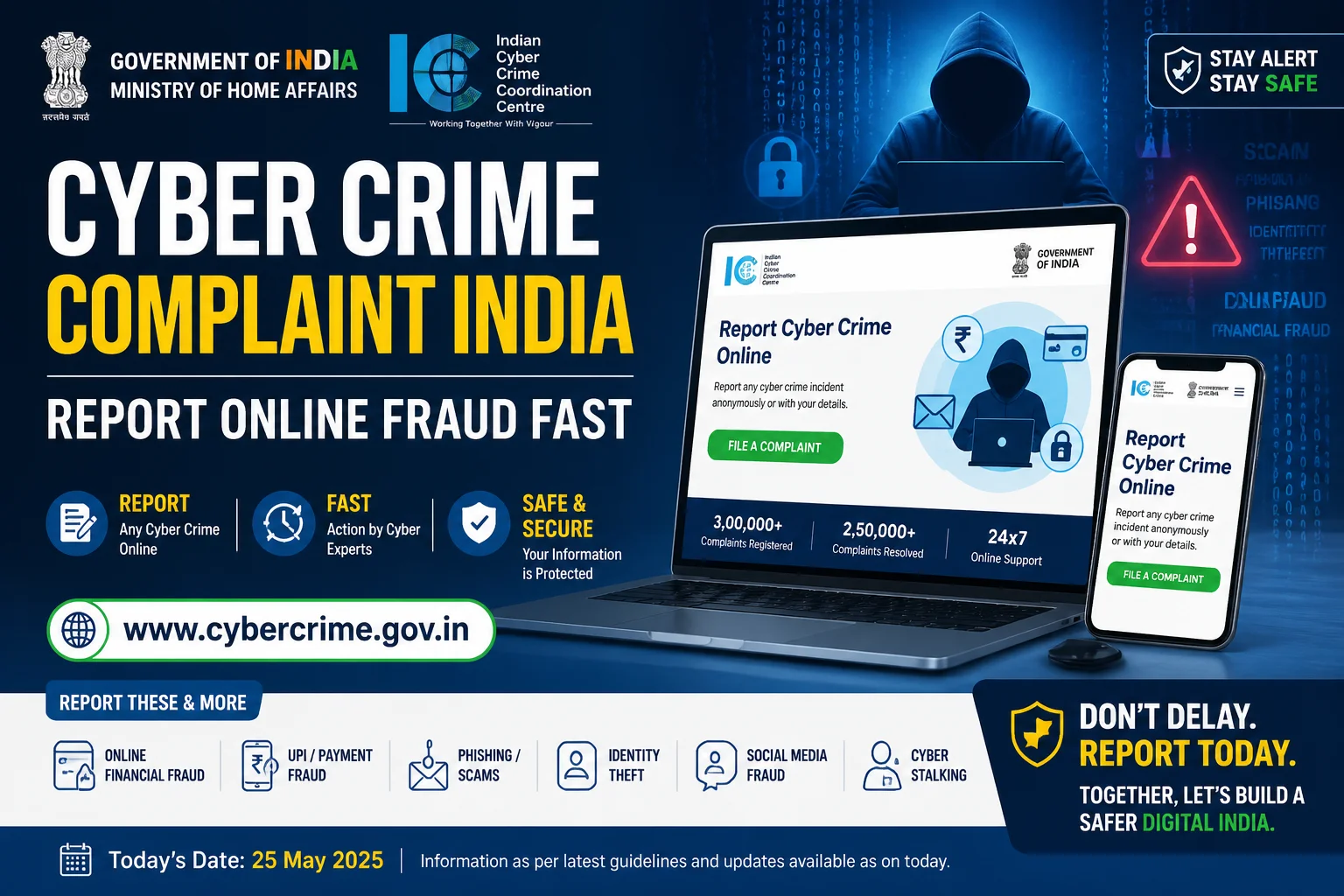
Record everything if safe. Screenshot IDs, numbers, demands. Lodge FIR online at cybercrime.gov.in within hours.
And banks? They've frozen ₹3,200 crore in suspicious accounts this year, per RBI data. Quick action works.
Lock It Down Before They Call
Enable two-factor on banking apps. Never share OTPs—scammers beg for them under "verification."
Use I4C's suspect list: Download the app, block 500+ fraud numbers updated weekly.
Tell elders. Run drills. "If a cop calls for money, it's fraud." Simple as that.
Cyber expert Pavan Duggal, who's testified in Parliament, puts it bluntly: "Fear is their weapon. Knowledge disarms them." He's right. In Gujarat alone, raids busted 15 scam centers last week, nabbing 40 operatives.
Stay sharp out there. One wrong click, and it's your savings on the line. But arm yourself with these facts—you'll spot the fakes every time.