Imagine sipping coffee at your desk when a call comes in—your bank's "manager" urgently needs your UPI PIN to "secure" your account. You hesitate, but the voice sounds legit. Boom. ₹50,000 gone in seconds.
That's no movie plot. It's real life for thousands of Indians right now. NPCI's Q2 2024 data pegs UPI fraud losses at over ₹1,100 crore—up 25% from last year. And it's only getting worse.
Why These Scams Are Exploding
UPI's a game-changer. Over 14 billion transactions in August 2024 alone. But scammers love easy targets. They've leveled up with AI voices, fake apps, and social engineering that preys on our trust in quick payments.
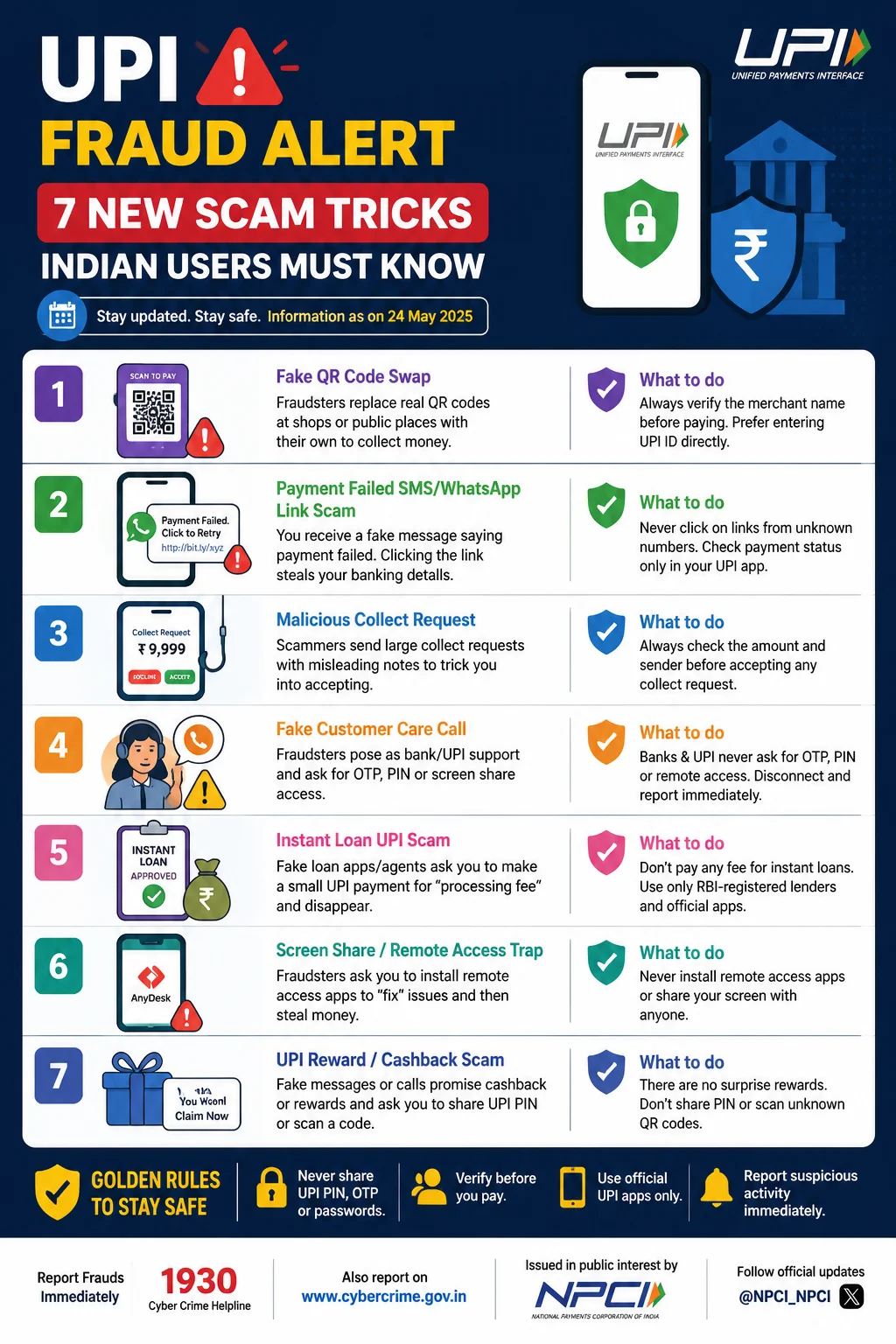
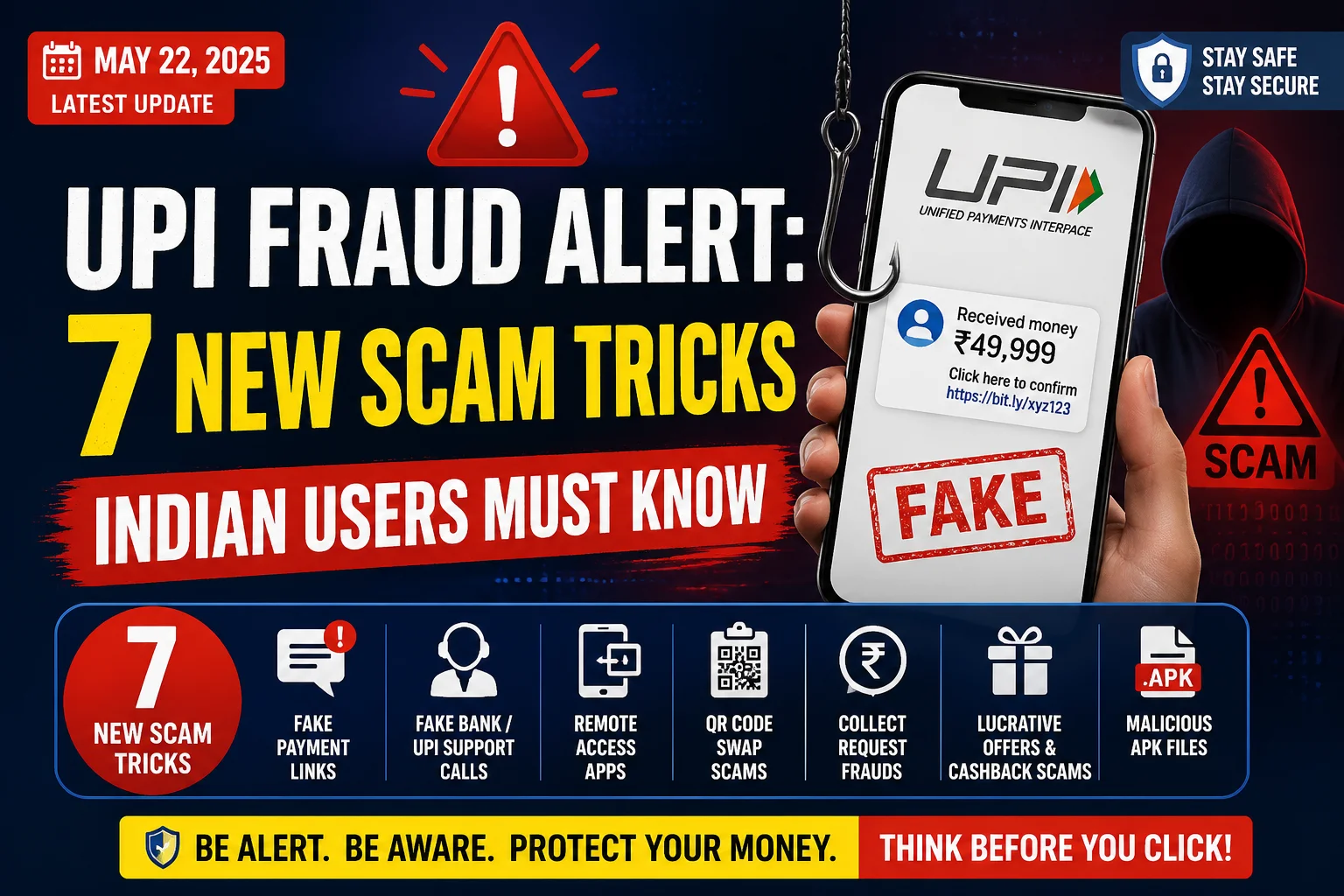
I've covered cybercrime for years—talked to victims in Mumbai markets, chatted with PhonePe execs. The pattern? Scammers hit fast, vanish faster. RBI's September 10th circular warned of "collect request" surges. Listen up. Here's the seven freshest tricks circulating now.
1. The AI Voice Impersonator
Scammers use ElevenLabs-style AI to clone voices. They call as your bank—say, HDFC or SBI—claiming "fraud detected." They'll rattle off your last transaction: "Your ₹2,300 Swiggy payment."
You panic. Share your UPI PIN. Done. A Pune engineer lost ₹1.2 lakh to this in July, per a Hindustan Times story. Tip: Banks never call for PINs. Hang up, dial back on official app.
2. Fake Delivery OTP Beg
You're expecting an Amazon parcel. Doorbell rings. "Sir, confirm OTP for delivery." You blurt it out—it's your UPI PIN. Thief drains your account via "collect" request.
This spiked 300% in Delhi-NCR last quarter, says Delhi Police cyber cell. Real delivery? OTP goes to your phone only. No sharing.
3. Poisoned QR Codes
Restaurant QR looks fine. Scan it. Redirects to scammer's wallet. You pay ₹500—₹5,000 debits instead. Or malware infects your phone.
Google Pay reported 15,000 such cases in H1 2024. Check merchant name before confirming. Static QR? Snap a pic, verify later.
4. Refund Link Trap
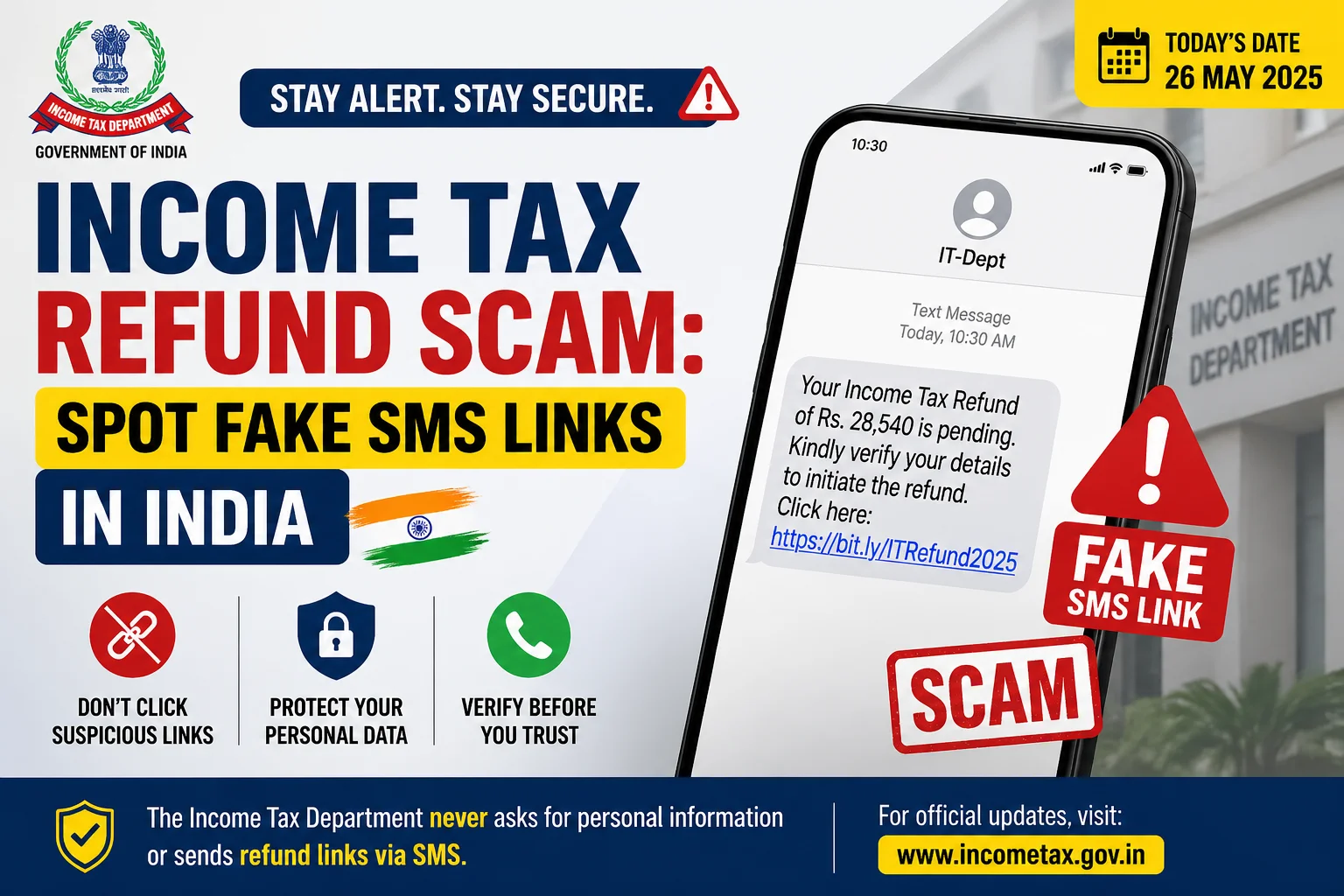
Text: "UPI refund failed. Click to claim ₹1,499." Fake PhonePe site asks UPI ID, then "verify" with PIN. Your money funds their Mercedes.
RBI flagged this in its August 2024 fraud bulletin—losses hit ₹300 crore. Refunds auto-credit. No links needed. Block unknowns.
5. Collect Request Flood
Ten "collect" requests from "friends" or "shops." You approve one by mistake amid chaos. ₹10,000 vanishes.
NPCI blocked 2.5 million risky requests in September. Set limits: GPay lets you cap at ₹5,000/day. Ignore unknowns.
Overload tactic. Sneaky.
6. Telegram Investment Lure
WhatsApp forward: "Earn 5% daily via UPI crypto trades." Join group. "Send ₹1,000 to start." Fake returns build trust—then rug pull.
₹500 crore scammed in 2024, per I4C data. SEBI warned October 2nd. Real investments? Apps like Groww, not Telegram randos.
7. Aadhaar-UPI Mashup
Call or SMS: "Link Aadhaar to UPI or account freezes." Fake NPCI site steals details. They create mule accounts, launder via your UPI.
UIDAI-RBI joint alert September 20th: 50,000 attempts foiled. UPI doesn't need Aadhaar relink. Verify on BHIM app only.
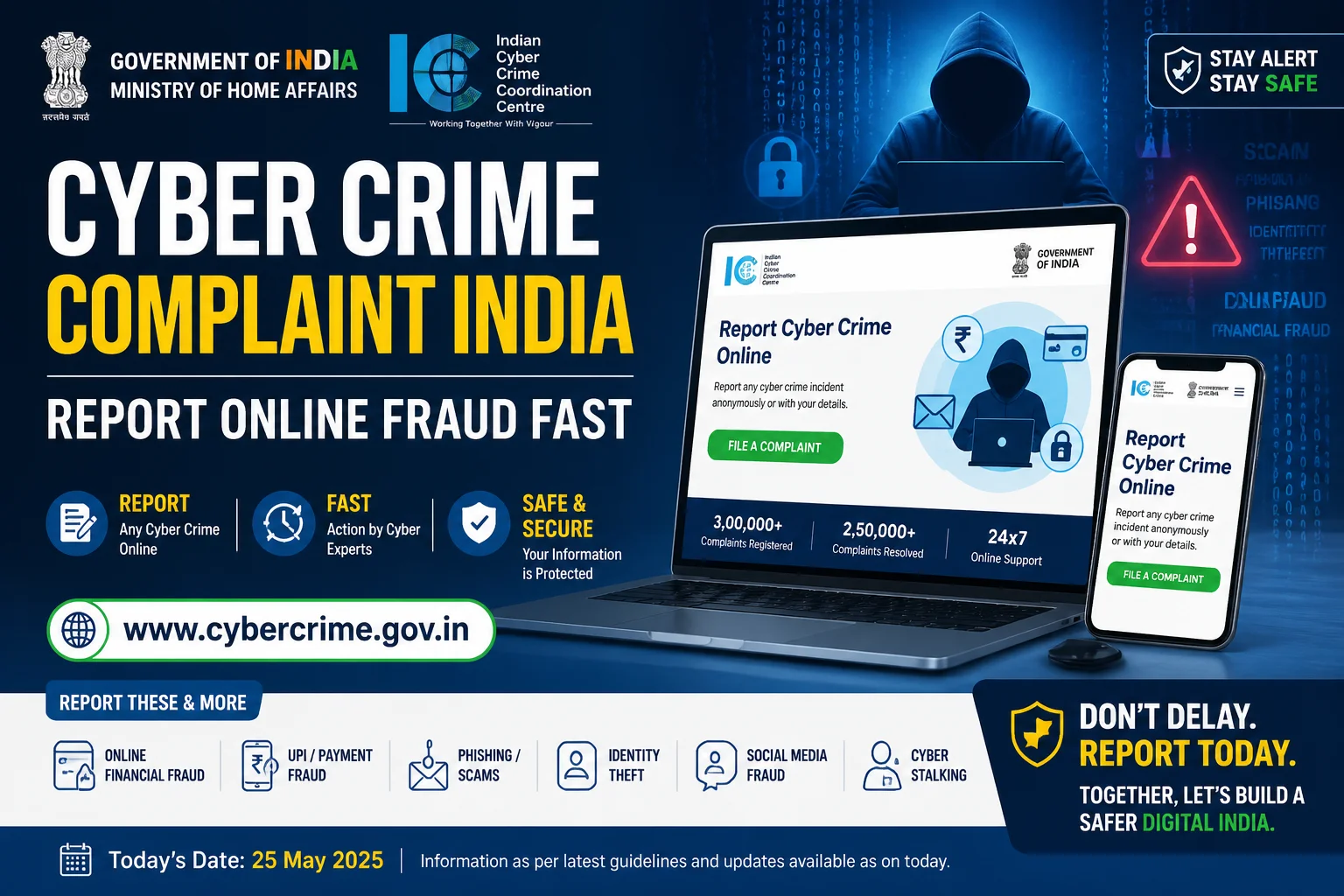
We've all rushed a payment. But pause next time. Enable alerts, use biometric locks on apps. Report to 1930 helpline—I've seen cops recover funds that way.
Stay sharp. Your next scan could save your savings. Or not.